- Most recent experience
- 2026 — todayScience and data
AI for marine environments
Data scientist · Hydro-K Détection & École Nationale des Ponts et Chaussées · Paris
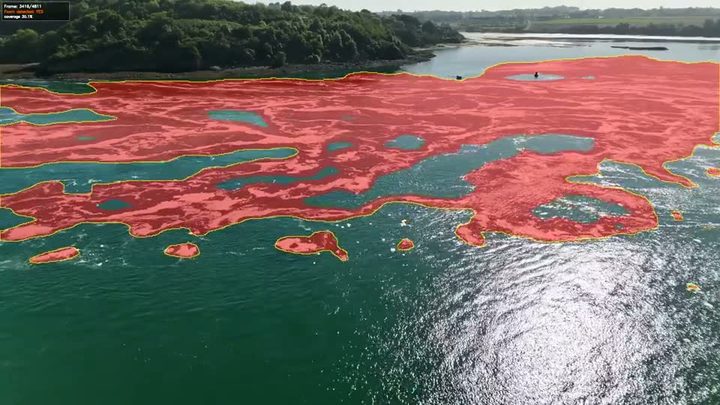
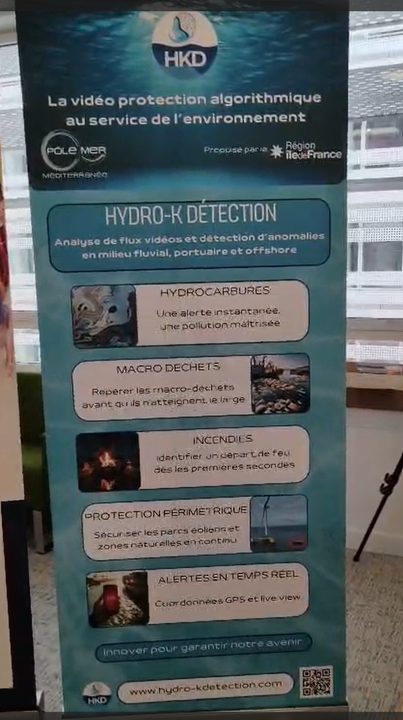
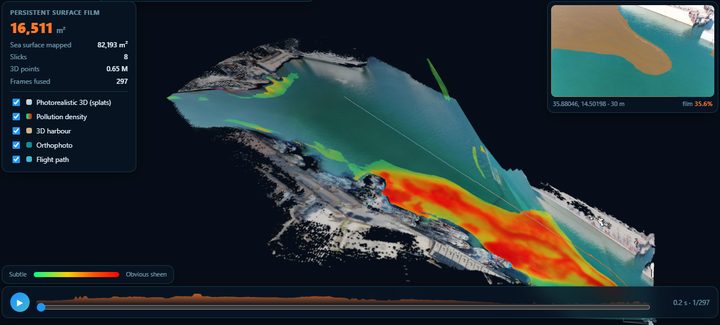
Marine environmental monitoring. I am the project's data scientist: I train the computer vision models that detect anomalies in the water and tell them apart by class — hydrocarbons, plastics, foam — and I build the architecture that takes them from the sensor to the harbour.
Detail and links
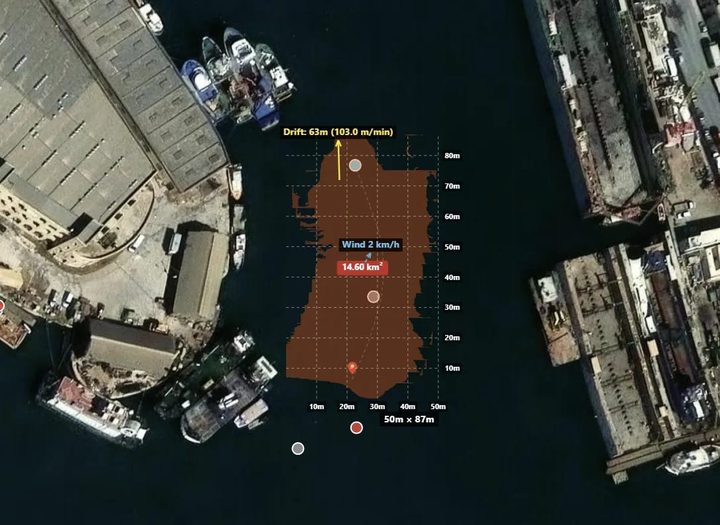
The system detects pollution the moment it happens: live video, inference in the harbour itself, and alerts with the affected area and its drift. We work with academic and industrial collaborators such as IFREMER and the École des Ponts et Chaussées, together with the CNRS supercomputing services.
- Computer vision models — detection and segmentation (YOLO, U-Net) — trained on real harbour and coastal video.
- System architecture and assembly: video capture, edge inference, storage and live visualisation.
- Training and computing on the CNRS Jean Zay supercomputer; MLOps, versioning and validation with field data.
- 3D reconstruction of the harbour and calculation of the polluted area and its drift from the video.
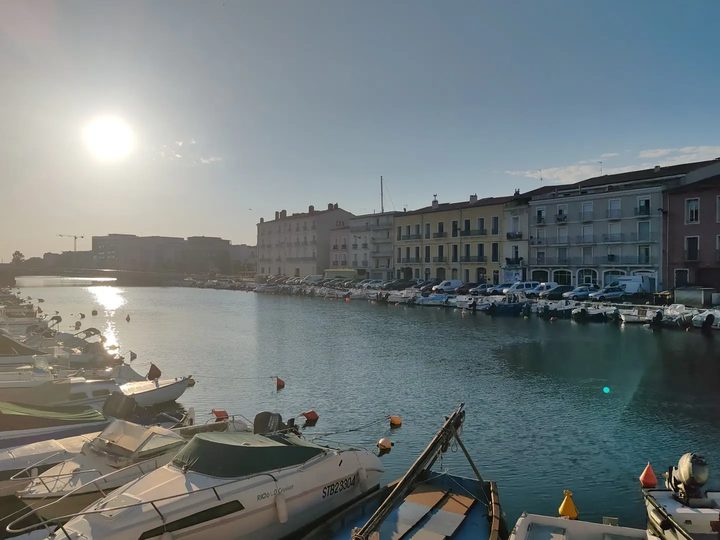
- Data campaigns and deployments at the Port of Sète (France), the Port of Valletta (Malta) and SIARP, a wastewater treatment plant.
- 2025 — 2026Science and data
Teaching a machine to recognise materials
Postdoctoral researcher · Data scientist · CNRS – Centre de Recherche sur la Conservation and LCPMR, Sorbonne Université · Paris
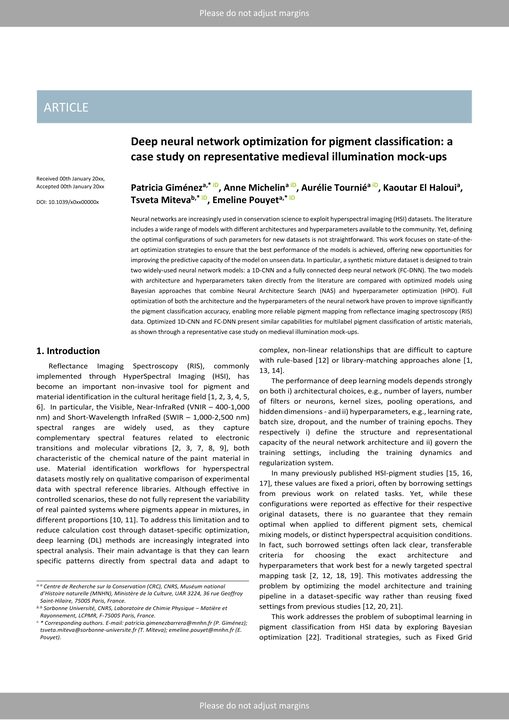
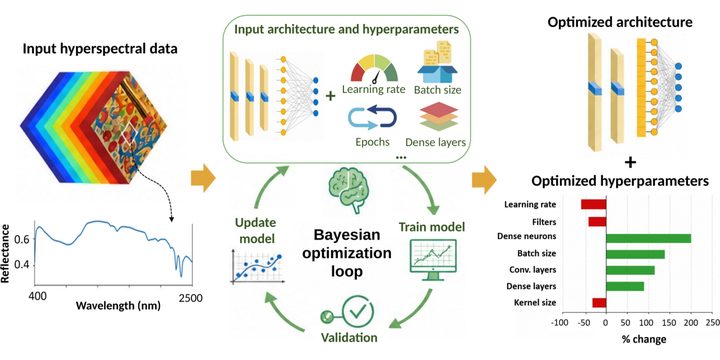
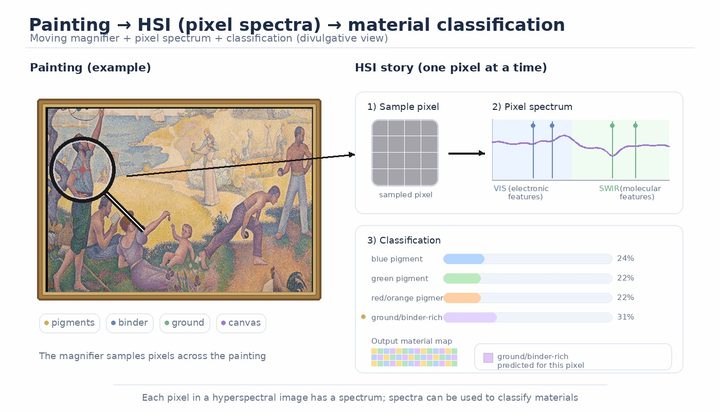
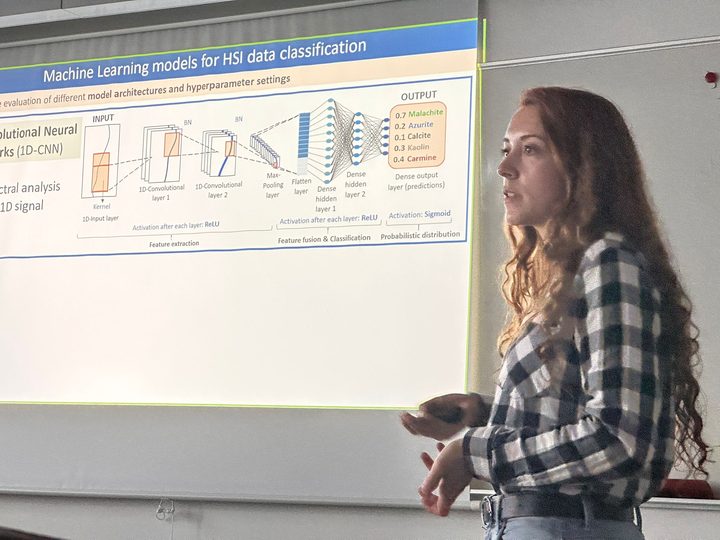
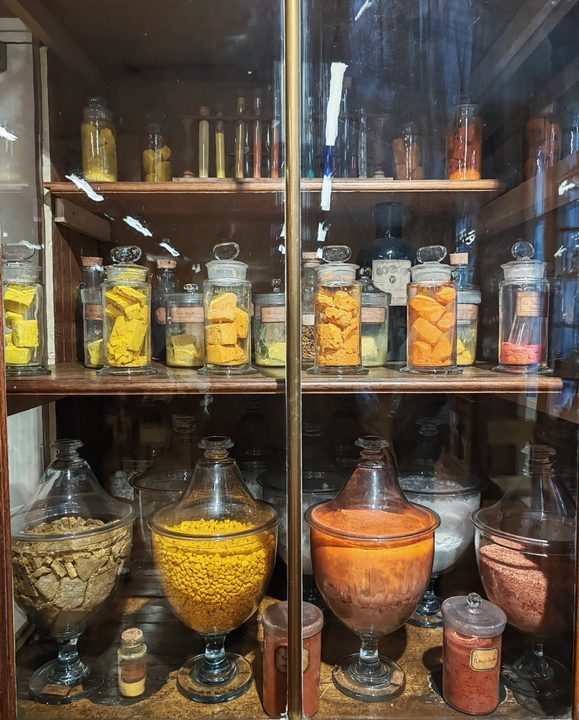
Together with the teams at the CRC and the LCPMR, I worked on a research project on non-invasive material characterisation: teaching a neural network to recognise what a surface is made of from its spectrum, without taking samples or altering the work.
Detail and links
What works on a painting also works, at another scale, for monitoring materials and pollutants in the natural environment. The Deep4Matter project received the Marie Skłodowska-Curie Seal of Excellence, scoring 94.2 out of 100.
- CNN and DNN models, LightGBM and TensorFlow/Keras on large spectral datasets.
- Hyperspectral imaging: calibration, pre-processing and building spectral libraries.
- Supervisors: Dr Emeline Pouyet and Dr Tsveta Miteva.
- Dec 2024 — Feb 2025Data and sustainability
Dashboards for the industrial sector
Data engineer · Management Intelligence Consulting · Barcelona
Large-scale data pipelines and dashboards for decision-making by clients in the industrial sector.
Detail and links
- Data pipelines on Azure and SQL.
- Power BI dashboards for management and business teams.
- Microsoft Power BI Data Analyst certification (PL-300).
- 2024 — todayConservation science
Underwater: Posidonia and submerged heritage
Conservation science · FECDAS · Mediterráneo catalán
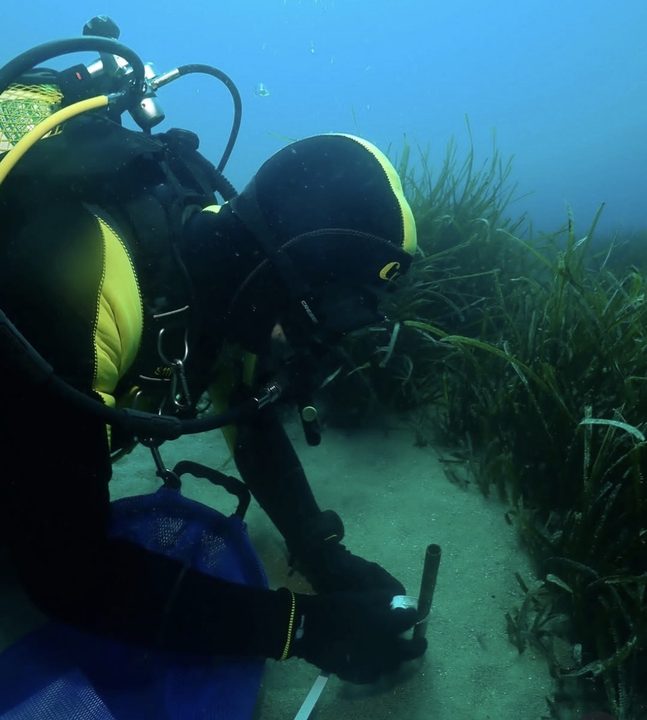
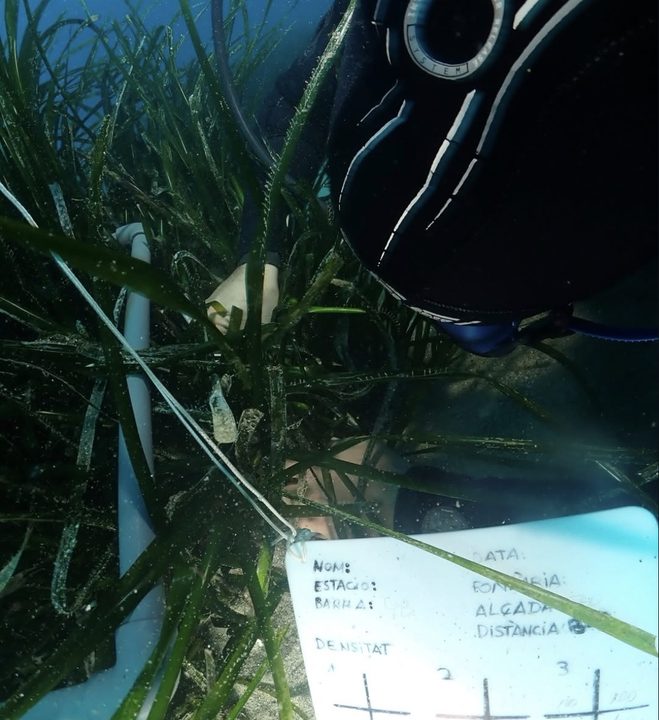
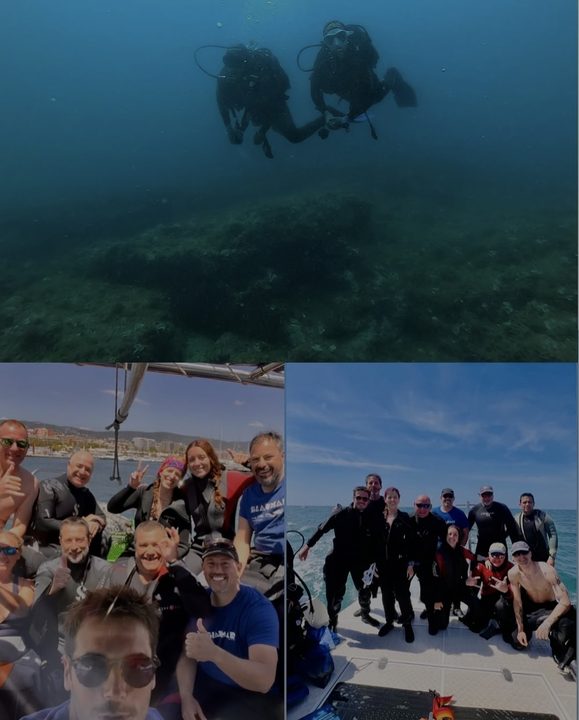
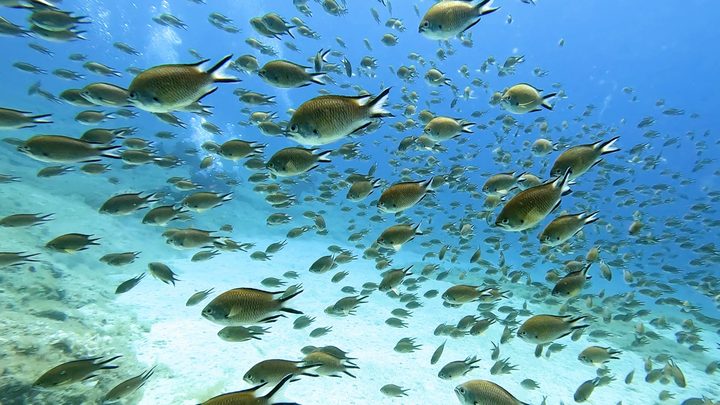
Scientific diving and fieldwork: measuring, counting and documenting Posidonia oceanica meadows, and taking part in underwater heritage-protection expeditions.
Detail and links
It is the same old craft — observing, recording, conserving — but underwater, and with data that later feed the models.
- Fixed monitoring stations: shoot density, cover and condition of the meadow.
- Underwater photographic recording and data collection with quadrats.
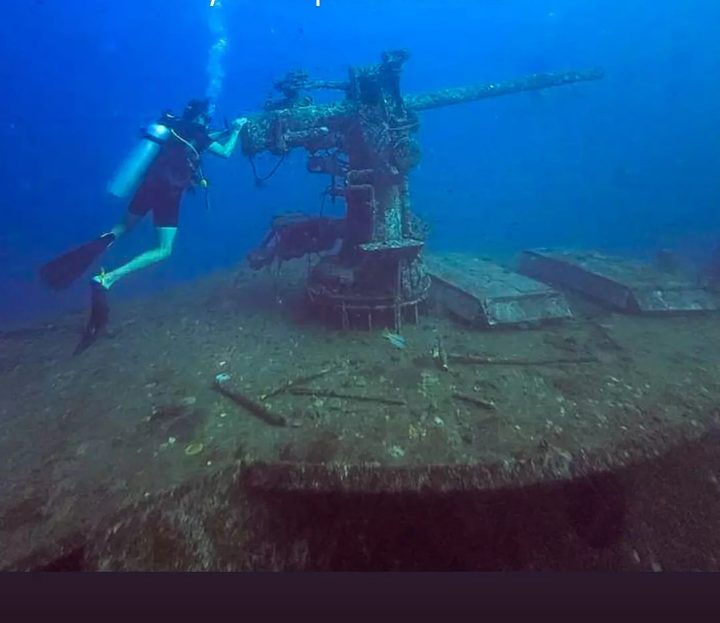
- Campaigns with FECDAS's conservation committee: seabed clean-ups, species counts and monitoring of wrecks and submerged heritage.
- SSI Advanced Diver and Rescue Diver.
- 2023 — 2024Conservation science
Analysis and conservation of biological collections
Conservation science · Museu de Ciències Naturals de Barcelona · XMCNC
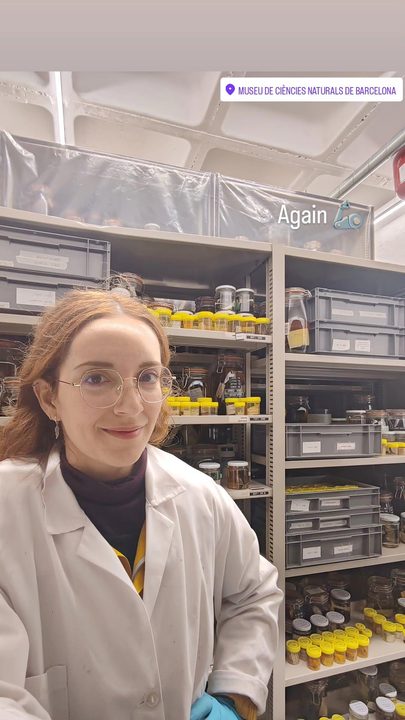
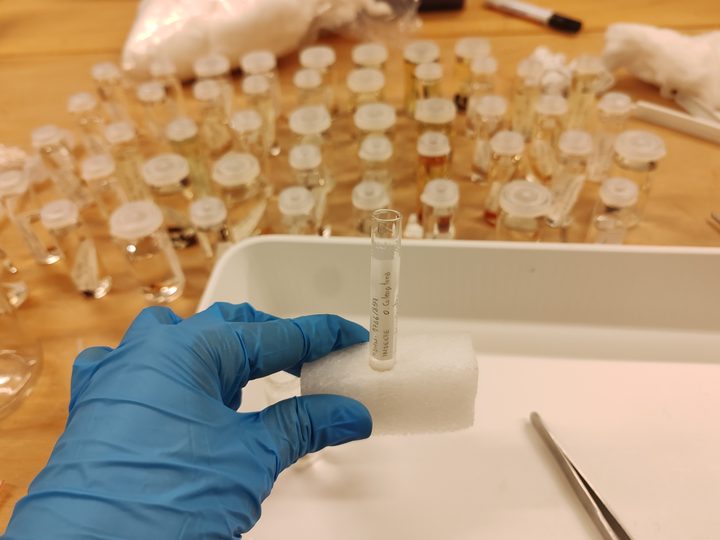
I led the preventive conservation programme for the fluid-preserved collections — the so-called wet collections — of six Catalan museums: natural history specimens kept in alcohol or formalin for more than a century.
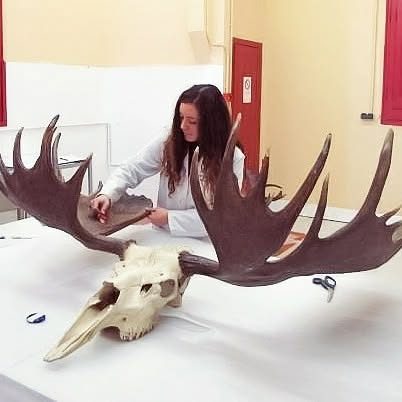
Detail and links
- Assessment of the condition of jars, lids and preservation fluids.
- Correcting fluid concentrations and replacing formaldehyde with safer alternatives.
- Continuous monitoring with Alcomon® indicators.
- Preventive conservation protocols for the six collections.
- Oct 2021 — Nov 2024Data and sustainability
Data engineering for decision-making in urban ecology and sustainability
Data engineer and project manager · Estratègia MOMENTUMco · Ajuntament de Barcelona
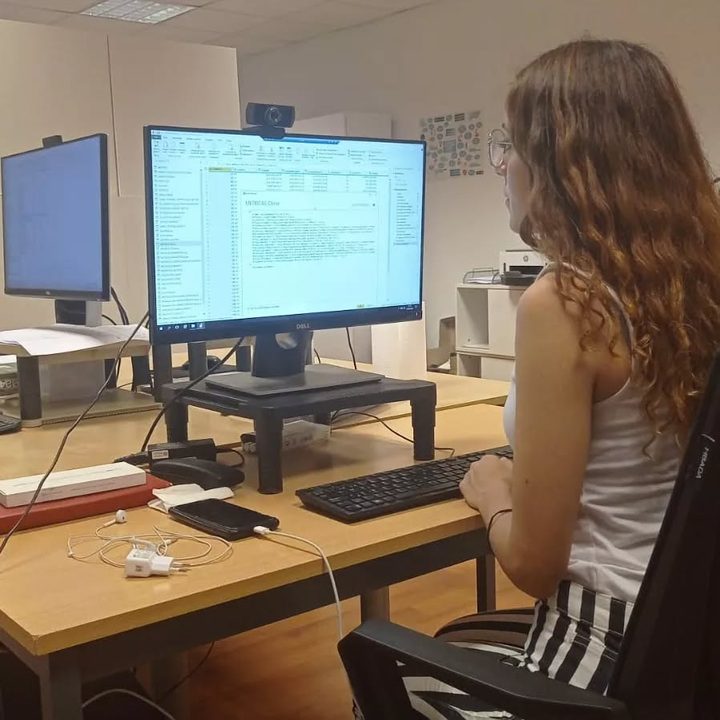
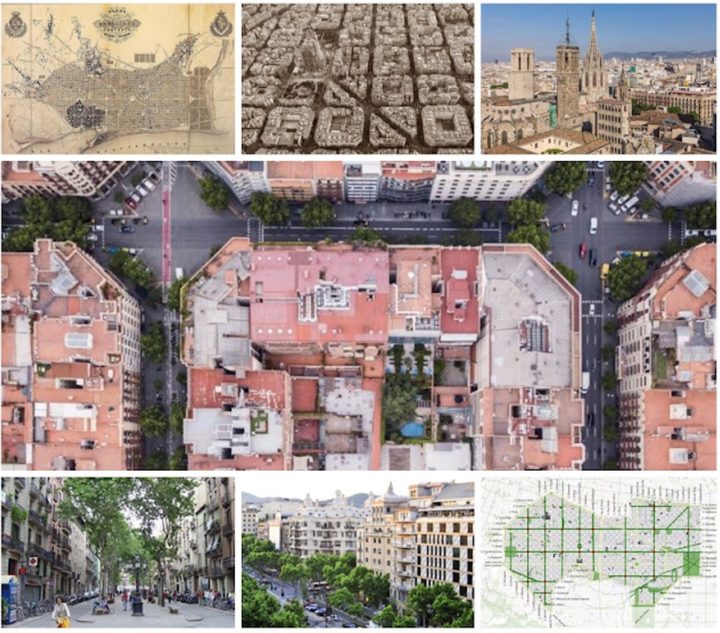
As project lead and consultant for Barcelona City Hall I led projects on sustainability, urban pollution mitigation and heritage management.
Detail and links
I designed and deployed predictive models and automated data architectures to support evidence-based public policy decisions.
- Predictive models and automated data architectures: Python, MySQL, DAX, GIS and business intelligence platforms.
- Urban innovation strategies and data-based support for public decision-making.
- Agile coordination of multidisciplinary teams and institutional stakeholders.
- Sep 2020 — Oct 2021Engineering and heritage
Diagnosing architectural heritage materials
Materials conservation specialist · Chroma · Restauració del Patrimoni Arquitectònic · Barcelona
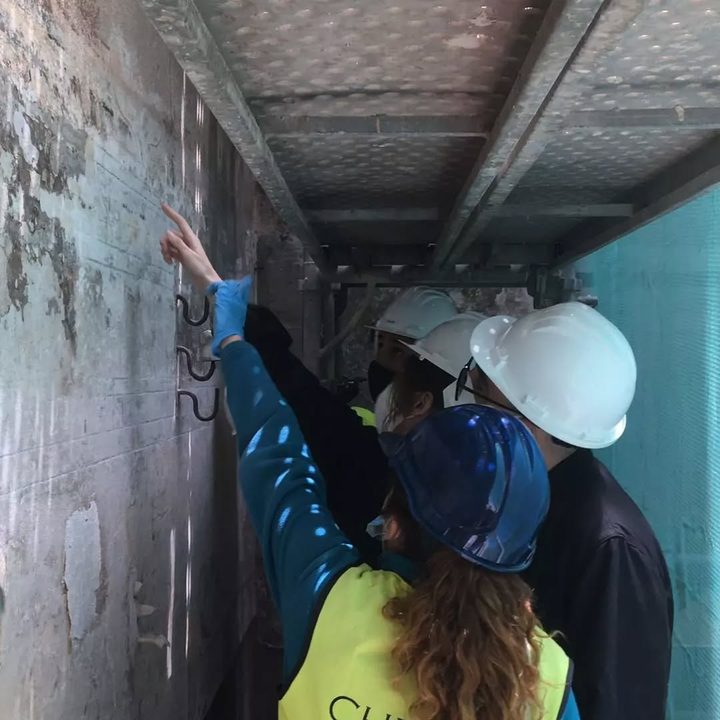
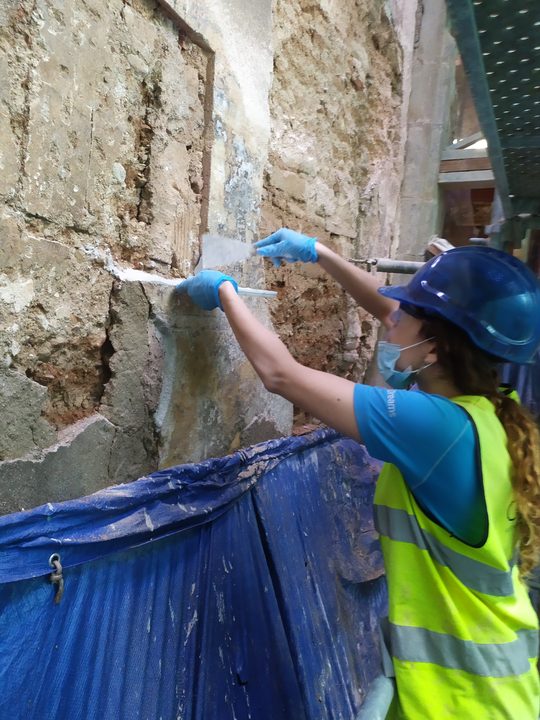
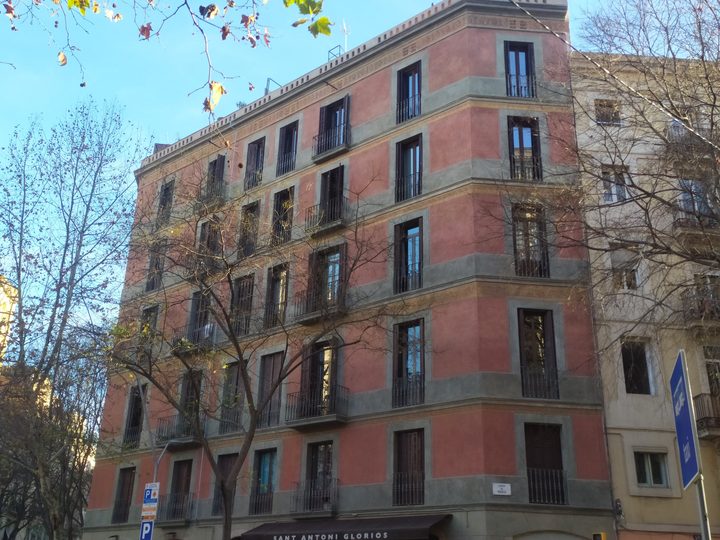
Materials diagnostics and laboratory analysis of architectural heritage: mortars, renders and façade polychromy, with technical reports and intervention strategies.
Detail and links
- Characterisation of mortars, renders and painted layers on façades.
- Technical reports and intervention proposals for work in progress.
- Sep 2019 — Jul 2020Engineering and heritage
Conservation of metal surfaces in heritage
Conservator-restorer · Barcelona Archaeology Service
In the laboratory I evaluated the conservation treatments applied to representative archaeological samples and proposed alternative techniques for the most fragile materials.
Detail and links
- Trials of consolidation and cleaning treatments on archaeological materials.
- Comparison of protocols and proposal of alternatives for the conservation of the collections.
- Education and research
- 2023 — todayScience and data
Computer engineering and artificial intelligence
Universidad Alfonso X el Sabio · Madrid / online
Training in computer engineering and artificial intelligence: the technical grounding behind the move from materials chemistry to data engineering.
Detail and links
- Programming (Python, C++), data structures and databases.
- Machine and deep learning, computer vision and signal processing.
- 2017 — 2023Research and teaching
PhD: chemical engineering
IQS School of Engineering – Universitat Ramon Llull · Cum laude
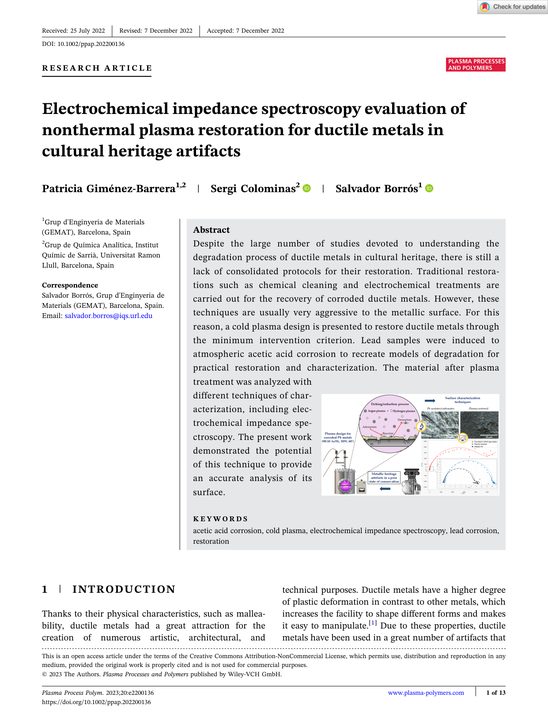
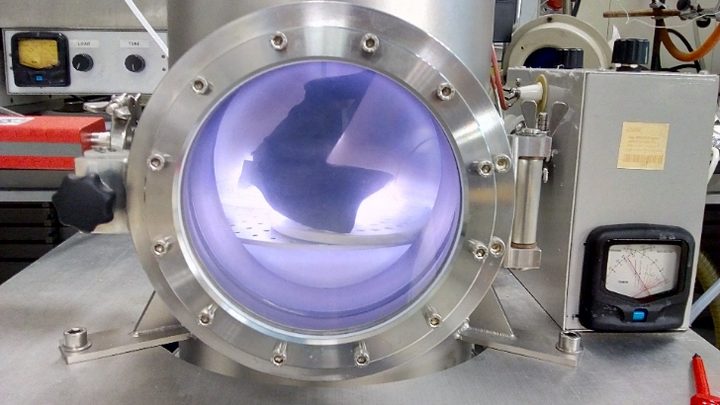
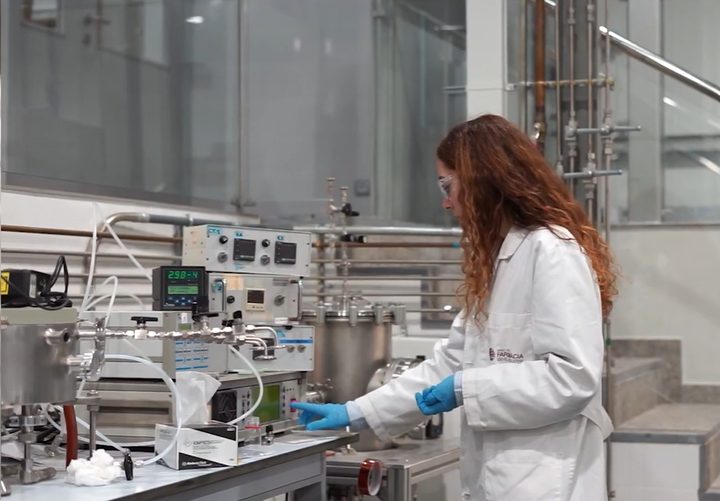
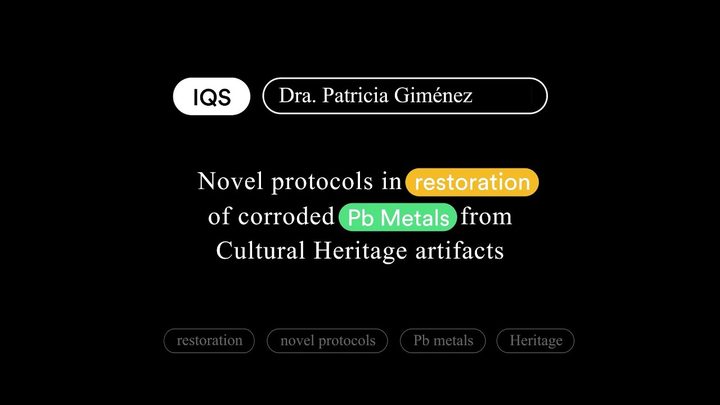
My thesis developed new protocols for treating metals attacked by environmental corrosion, both in industrial materials and in heritage artefacts, with lead as the case study and cold plasma as the treatment: an ionised gas at room temperature that reduces corrosion products without wearing away the original metal.
Detail and links
The method was tested on a real work, The Violinist by Pau Gargallo, and on coupons corroded artificially with organic acids. The same protocols are relevant to metals recovered from marine and archaeological contexts.
- Chemical and electrochemical diagnostics: impedance spectroscopy (EIS, NOVA), XPS (CasaXPS), XRF (PyMCA), SEM/TEM, FTIR and Raman.
- Design of the non-thermal plasma treatment and monitoring of its effect on the metal.
- Teaching assistant and laboratory instructor at IQS (2017–2021): Materials Technology (non-destructive testing, polymer melt flow index, ceramics), Physical Chemistry and Analytical Chemistry.
- Thesis supervised by Dr S. Borrós and Dr S. Colominas.
- 2014 — 2015Education
MSc in Applied Materials Chemistry
University of Barcelona
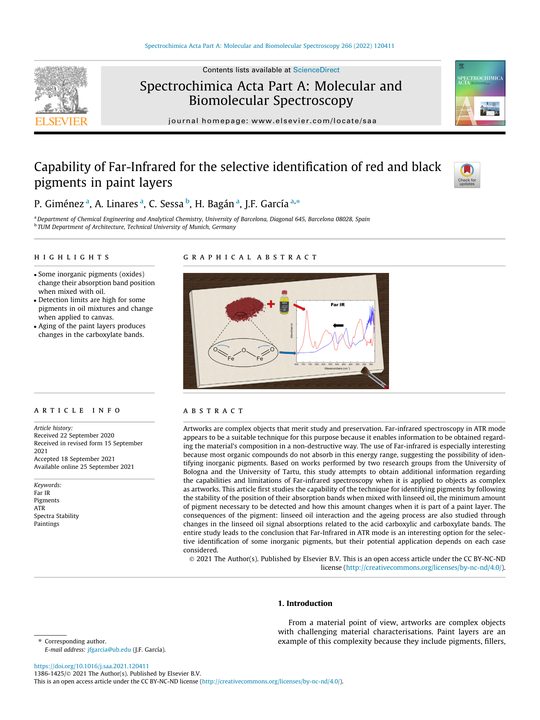
MSc in Applied Materials Chemistry at the University of Barcelona, where I began analysing matter with instruments: spectroscopy, microscopy and pigment databases. Before that, at the same university, I trained in the conservation and restoration of cultural and natural heritage.
Detail and links
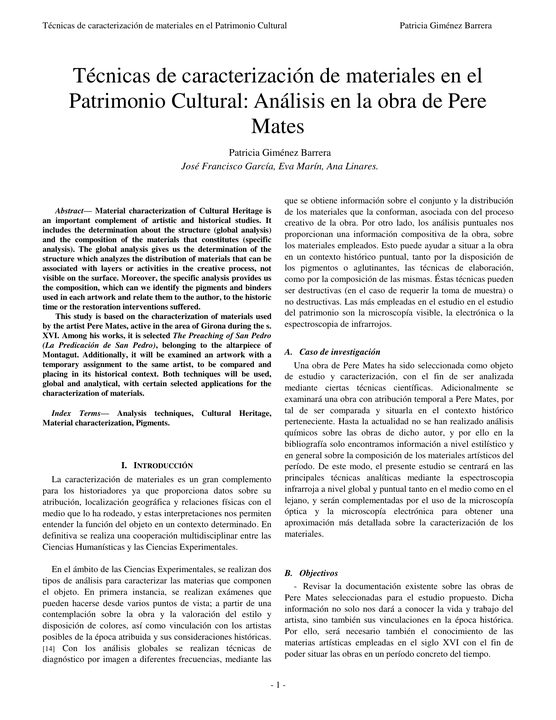
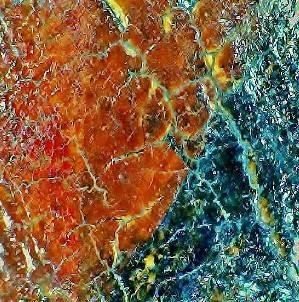
My master's work began at the Museu d'Art de Girona, with two panel paintings attributed to Pere Mates: infrared reflectography, ATR spectroscopy and electron microscopy on micro-samples placed each panel in a different period. My first scientific paper came out of it.
- Identification of pigments by far-infrared spectroscopy (FIR-ATR).
- My own database of pure pigments and pigments mixed with linseed oil.
- Infrared reflectography to read the underdrawing and the overpaints.
- My own professional practice
- Over the yearsHeritage
Restoration and conservation of historic art objects
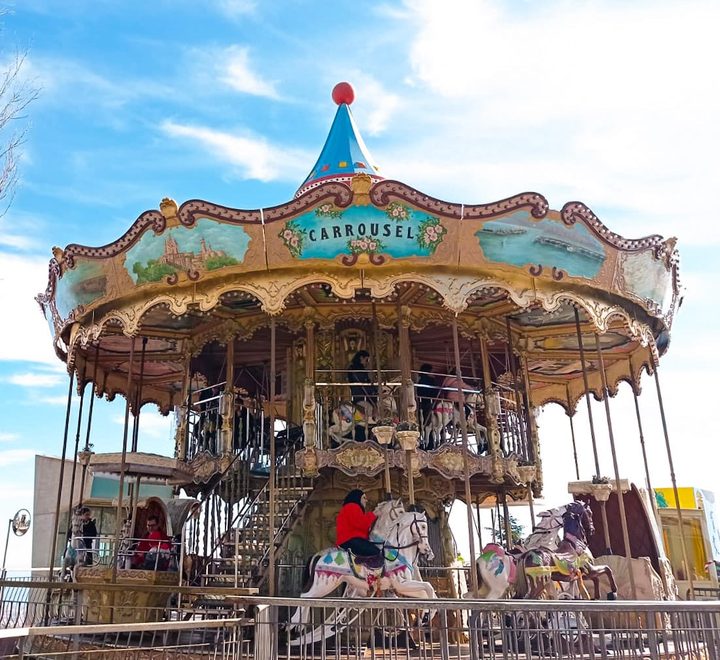
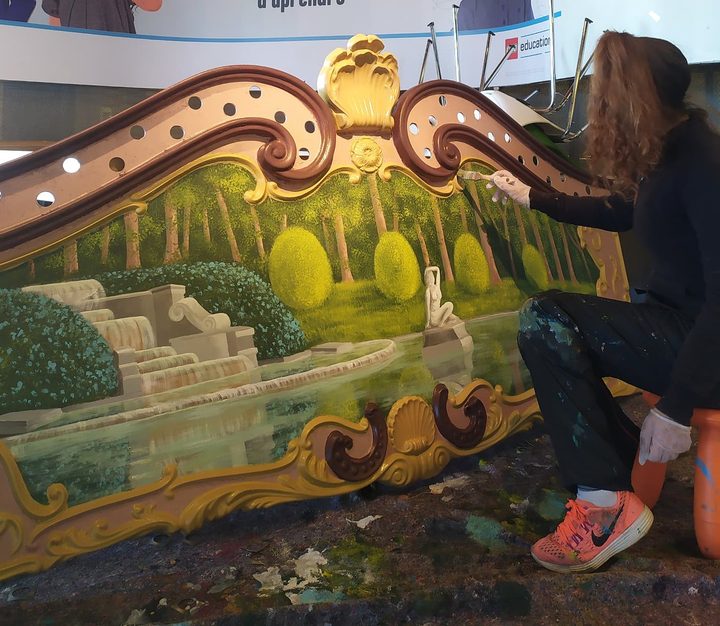
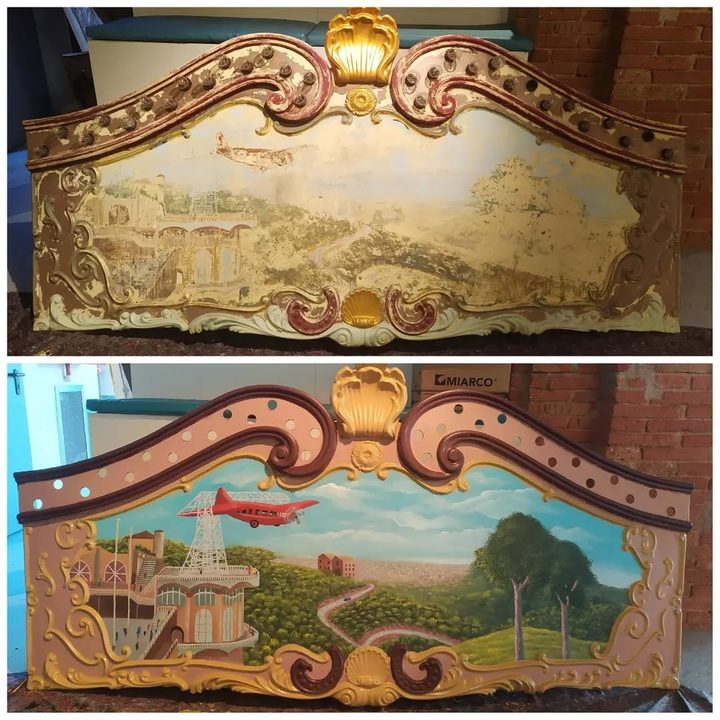
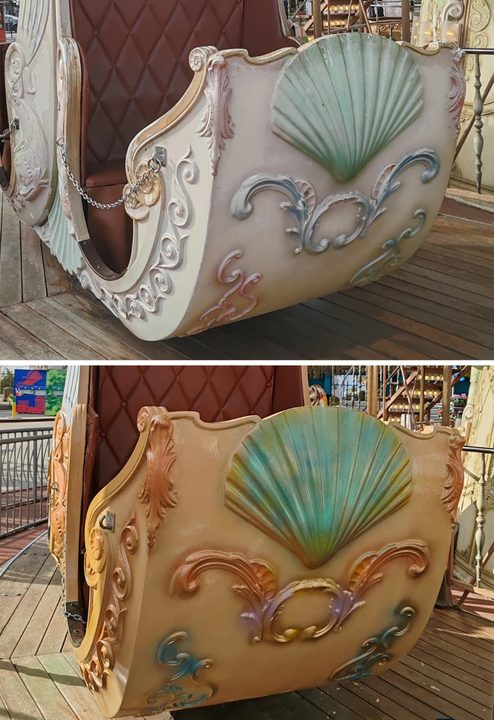
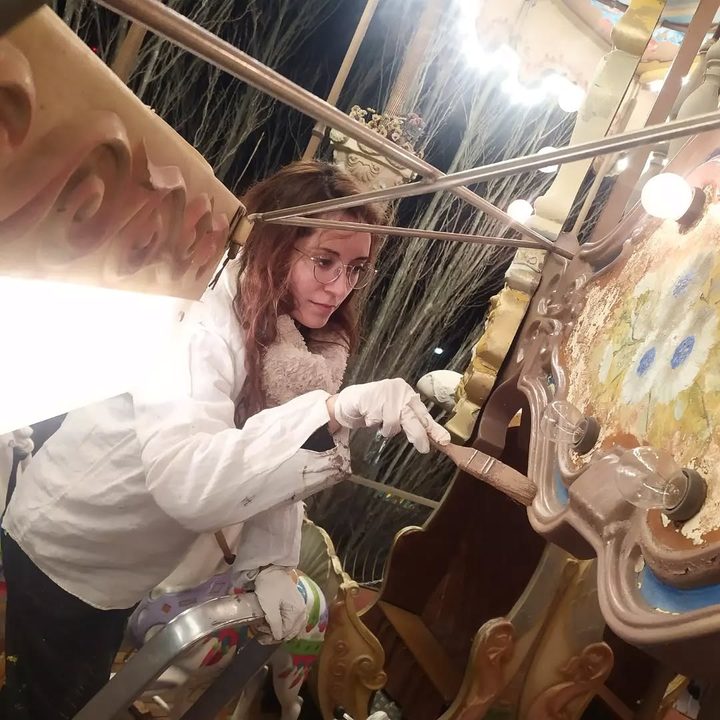
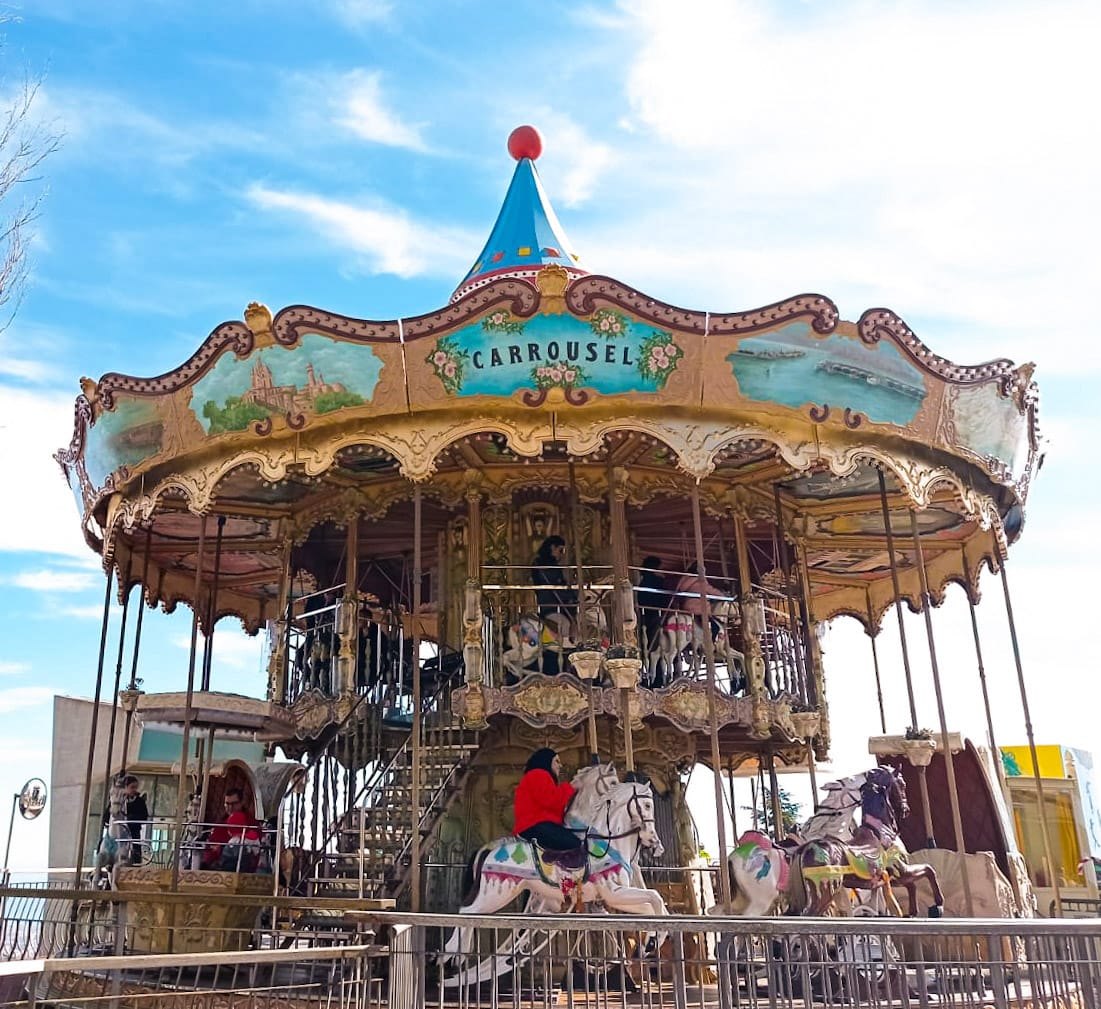
Case study: the Venetian carousel (Bertazzon, 1989) of the Parc d'Atraccions del Tibidabo, in Barcelona's oldest amusement park, founded in 1900.
Parc d'Atraccions del Tibidabo · Barcelona
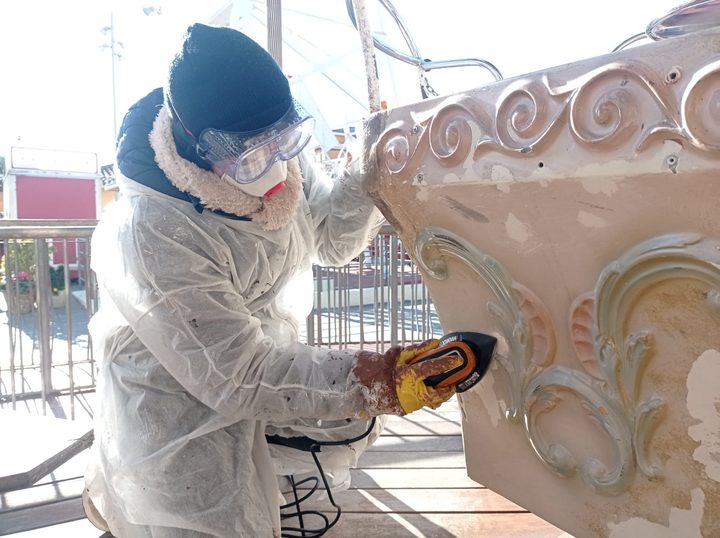
I take on restoration and conservation projects on a freelance basis. One example is the care of the historic rides of the Parc d'Atraccions del Tibidabo: early twentieth-century pieces that still turn every day and that, precisely for that reason, have to be checked, consolidated and repainted when their time comes.
Detail and links
The whole project, step by step
ViewAlwaysArtPainting
My own work · @patriciadas.art
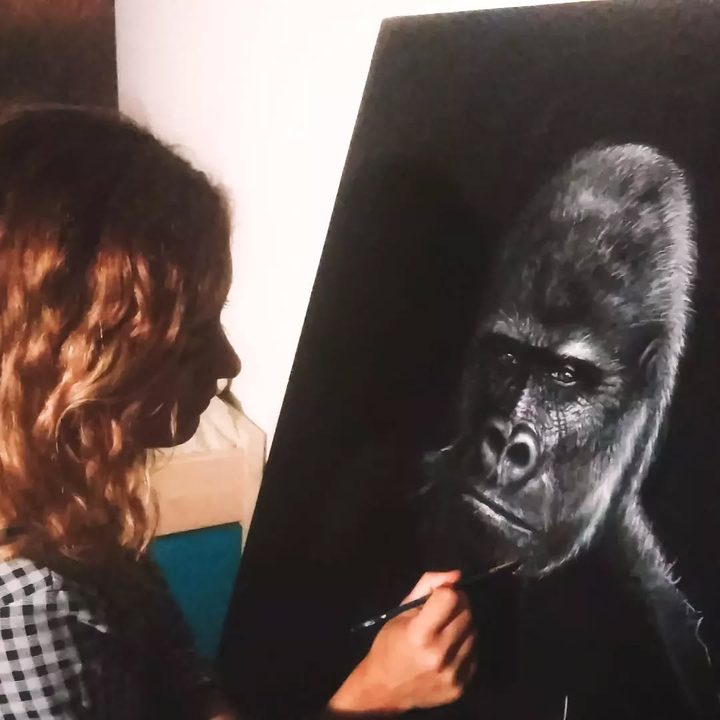
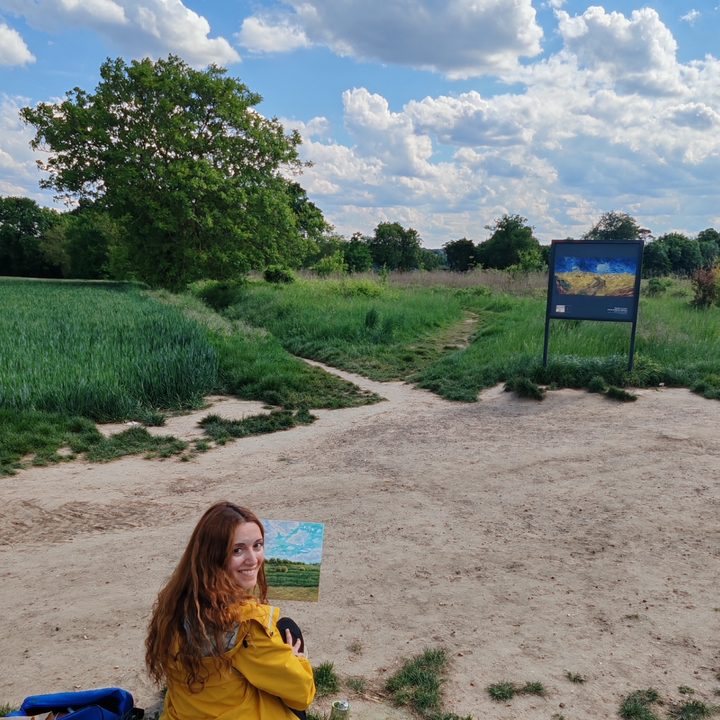
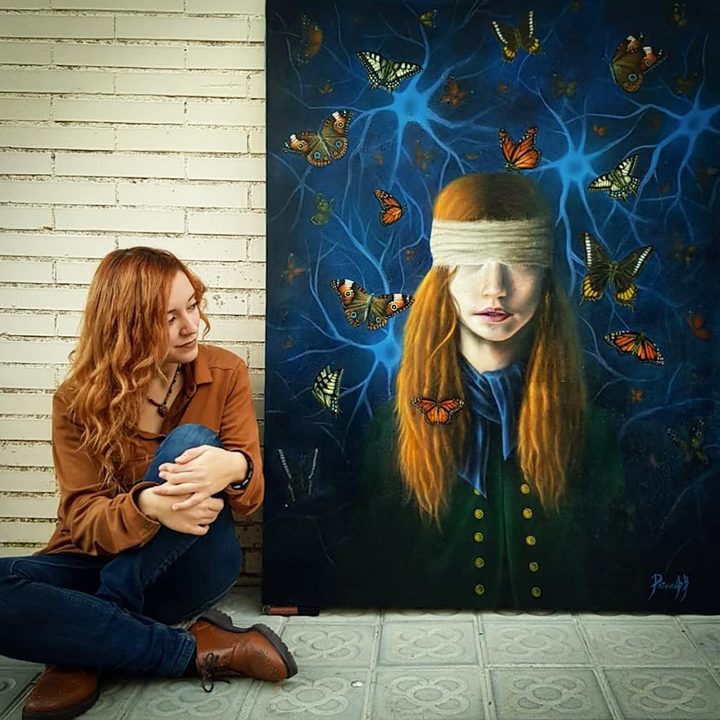
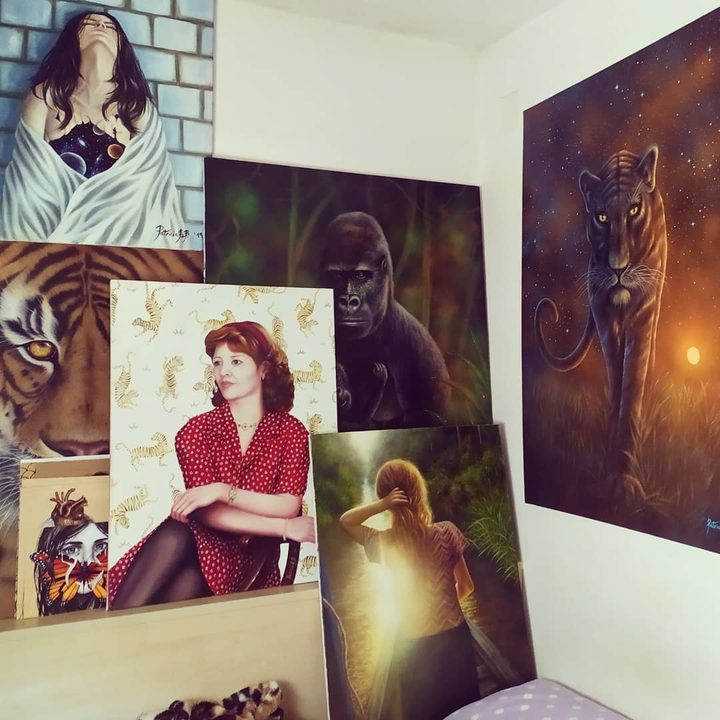
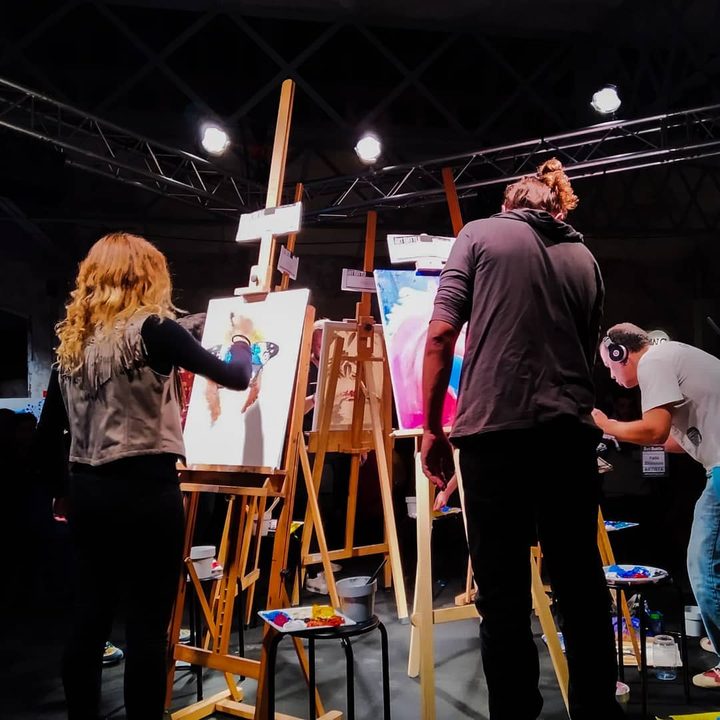
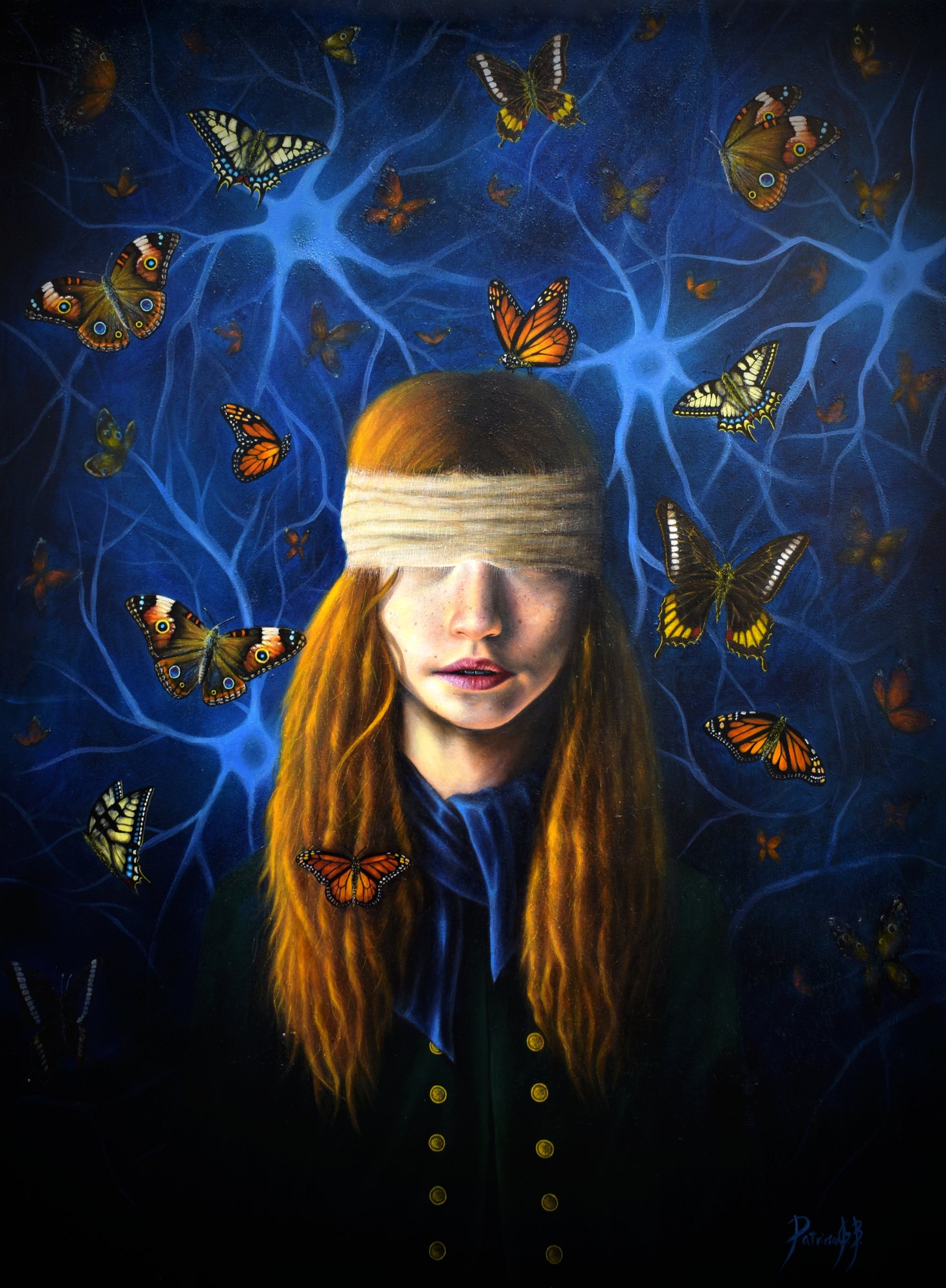
Wildlife, plants, portraits and landscapes painted outdoors — mostly oil on canvas, but also acrylic, pencils and whatever technique I feel like trying: I like exploring them all. Painting is my other way of looking closely at what I want to conserve, and the thread that ties everything else together.
Detail and links
See all the work
View